
Showing: 1 - 10 of 12 Results
Volunteer gently holds a rescued dog while a foster cat rests nearby on a blanket in a warm home setting.

Community Animal Welfare Society: How Lincoln Pet Volunteers Serves Pets and People

A community animal welfare society is a locally-focused nonprofit organization dedicated to rescuing, sheltering, and rehoming animals in need while providing vital services like spay/neuter programs, veterinary care, and humane education to the communities they serve. These grassroots organizations operate at the heart of neighborhoods, addressing everything from stray animal populations to pet retention challenges that keep families and their companions together.
Unlike large national shelters, community animal welfare societies build their mission on …

A foster volunteer gently pets a gray tabby kitten resting on a blanket inside a cozy home cat setup.

Temporary Cat Fostering: What It Is and How It Helps Cats in Need

Temporary cat fostering means opening your home to a cat or kitten for a short period, typically ranging from a few days to several months, until the animal is ready for adoption or reunited with its owner. Unlike adoption, fostering is a flexible commitment that gives you the chance to save a life without the lifelong responsibility. You’ll provide food, shelter, socialization, and love, while the rescue organization covers veterinary care and supplies. It’s perfect for anyone who wants to help animals but isn’t ready for permanent pet ownership, or for existing pet owners looking to make a difference without adding to …

“A small rescue dog is greeted gently by an adopter at the front door in soft natural light.”

How to Be Your Pet’s Forever Home: A Commitment Guide for Adopters

Becoming a forever home means making a lifelong commitment to a rescue pet, not just when they’re cute and cuddly, but through every challenge, veterinary visit, and gray-muzzled year that follows. The journey starts with honest self-assessment of your lifestyle, resources, and readiness, followed by thoughtful preparation of your home, careful selection of the right match, and patient integration guided by professionals and rescue volunteers who’ve seen thousands of successful placements.

A foster caregiver’s hand gently supports a 6-week-old puppy resting on a blanket in a warm whelping area.

How to Care for Your 6-Week-Old Puppy: Essential Steps for New Foster Parents

Caring for a six-week-old puppy requires round-the-clock attention, specialized feeding every three to four hours, and close health monitoring because these tiny pups are still incredibly vulnerable without their mother. At this age, puppies need help regulating body temperature, aren’t fully weaned, and have developing immune systems that make them susceptible to illness and stress. Most experts recommend puppies stay with their mothers until eight weeks, but circumstances like abandonment, orphaning, or

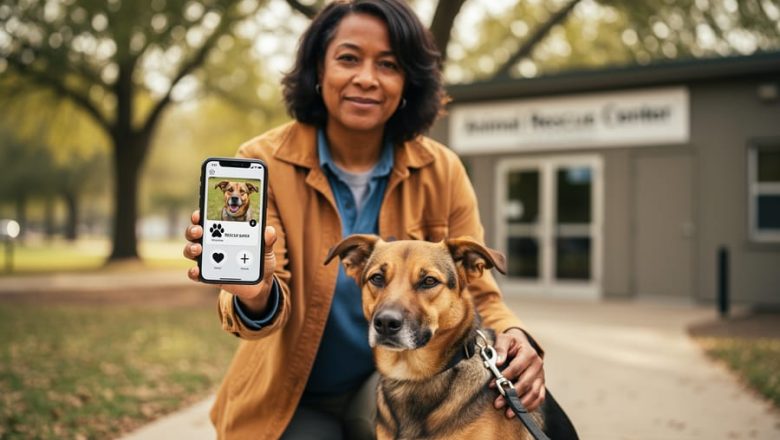
A community advocate holding a smartphone while walking a friendly shelter dog outdoors, representing animal welfare advocacy and adoption support.

What Is a Community Advocate in Animal Welfare (and How Does It Work)?

A community advocate is someone who uses their voice, time, and connections to raise awareness and support for a cause, particularly in animal welfare by promoting rescue organizations, helping animals find homes, and educating the public about responsible pet ownership. Unlike the hands-on volunteer role that requires daily shelter shifts or fostering responsibilities, advocacy offers a flexible way to make a real difference from wherever you are, whether that’s sharing a Facebook post about a dog in …

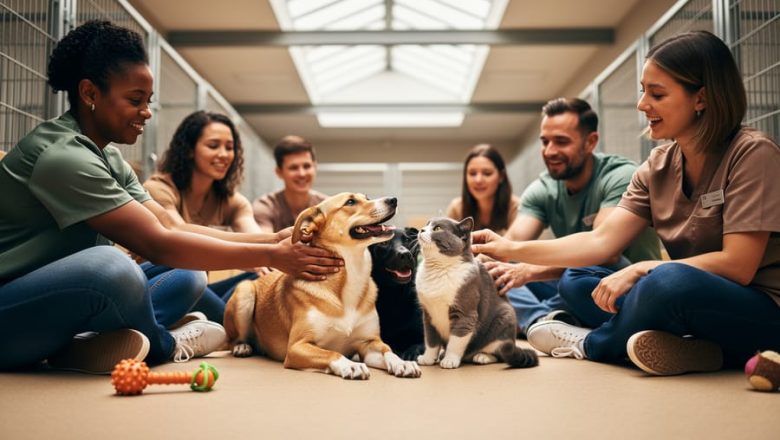
Volunteers and foster families gently pet rescued dogs and a cat together inside an animal shelter play area.

Animal Community: How Shared Compassion Transforms Lives for Pets and People

An animal community is a network of people united by their dedication to protecting, rescuing, and improving the lives of animals in need. These communities bring together volunteers, foster families, donors, shelter staff, and advocates who work side by side to give homeless pets a second chance. What makes them extraordinary isn’t just the number of animals they help, but the connections they forge between people who believe every creature deserves compassion and care.
You’ll find animal communities wherever there’s a group committed to making a difference. They operate through local shelters, rescue …

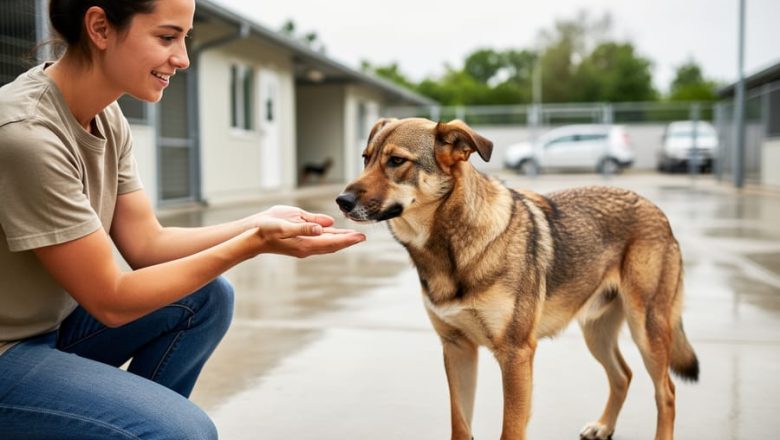
A dog rescue volunteer kneeling next to a rescued dog on a patio, showing gentle, hands-on care.

Guide to Dog Rescue Volunteer Opportunities: How to Find and Join Programs Near You

Finding dog rescue volunteer opportunities in your area starts with a simple online search paired with direct outreach to local shelters, humane societies, and breed-specific rescue groups. Most organizations actively seek volunteers for roles ranging from dog walking and kennel care to fostering, event support, and administrative help. The time commitment varies widely: some positions need just a few hours monthly, while hands-on care roles typically ask for a weekly shift of three to four hours.
Key Takeaway: Dog rescue volunteer roles span hands-on care (walking, feeding, socializing), …

A rescue dog sitting calmly next to an adopter who offers a treat indoors, illustrating compassionate, consistent “spot on” training.

Why ‘Spot On’ Dog Training Works (And How to Use It with Your Rescue Dog)

Spot on dog training means teaching your dog with precision, consistency, and clear communication so behaviors are reliable in any situation, not just when it’s convenient. This approach is especially crucial for rescue dogs who often arrive with anxious habits, trust issues, or gaps in their early socialization. At Lincoln Pet Volunteers, we’ve seen firsthand how precise, compassionate training transforms fearful shelter dogs into confident companions ready for their forever homes.
The philosophy behind spot on training isn’t about perfection or harsh corrections. It’s about setting your dog up for success …

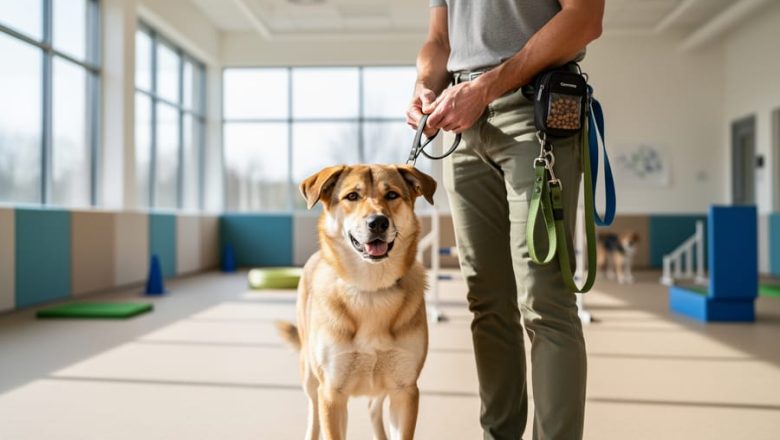
“A dog and handler standing in a bright indoor training facility with a leash, representing dog training in Newmarket.”

How Much Does Dog Training Cost in Newmarket? (2026 Pricing Guide)

Dog training in Newmarket typically costs between $240 and $1,500, depending on the format you choose. Group classes start around $240 for a six-week program (about $40 per session), while comprehensive private training programs run from $1,200 to $1,500 or more. If you’re budgeting for your pup’s education in 2026, expect most Newmarket trainers to charge $150 per individual session, with package discounts available when you commit to multiple weeks.
Key Takeaway: Newmarket dog training ranges from $240 for group classes to $1,200, $1,500 for private programs. Group sessions …

A friendly dog and tabby cat greet a volunteer in a bright Winnipeg pet rescue shelter, with another small adoptable pet nearby.

Why Winnipeg Pet Rescue Shelters Are Transforming Lives in 2026

Winnipeg pet rescue shelters connect hundreds of dogs, cats, and other companion animals with loving homes each year, offering adoption services, volunteer programs, and community support for anyone ready to welcome a rescue pet into their life. Whether you’re looking to adopt your first pet or add another furry friend to your family, Winnipeg’s rescue community provides resources, guidance, and compassionate care throughout the adoption journey.
Finding the right rescue shelter starts with understanding what each organization offers. Some focus on specific breeds or animal types, while others take an all-inclusive …